Exploring Decision Making Through Painting (or the other way round?)
How to introduce beginners into oil painting
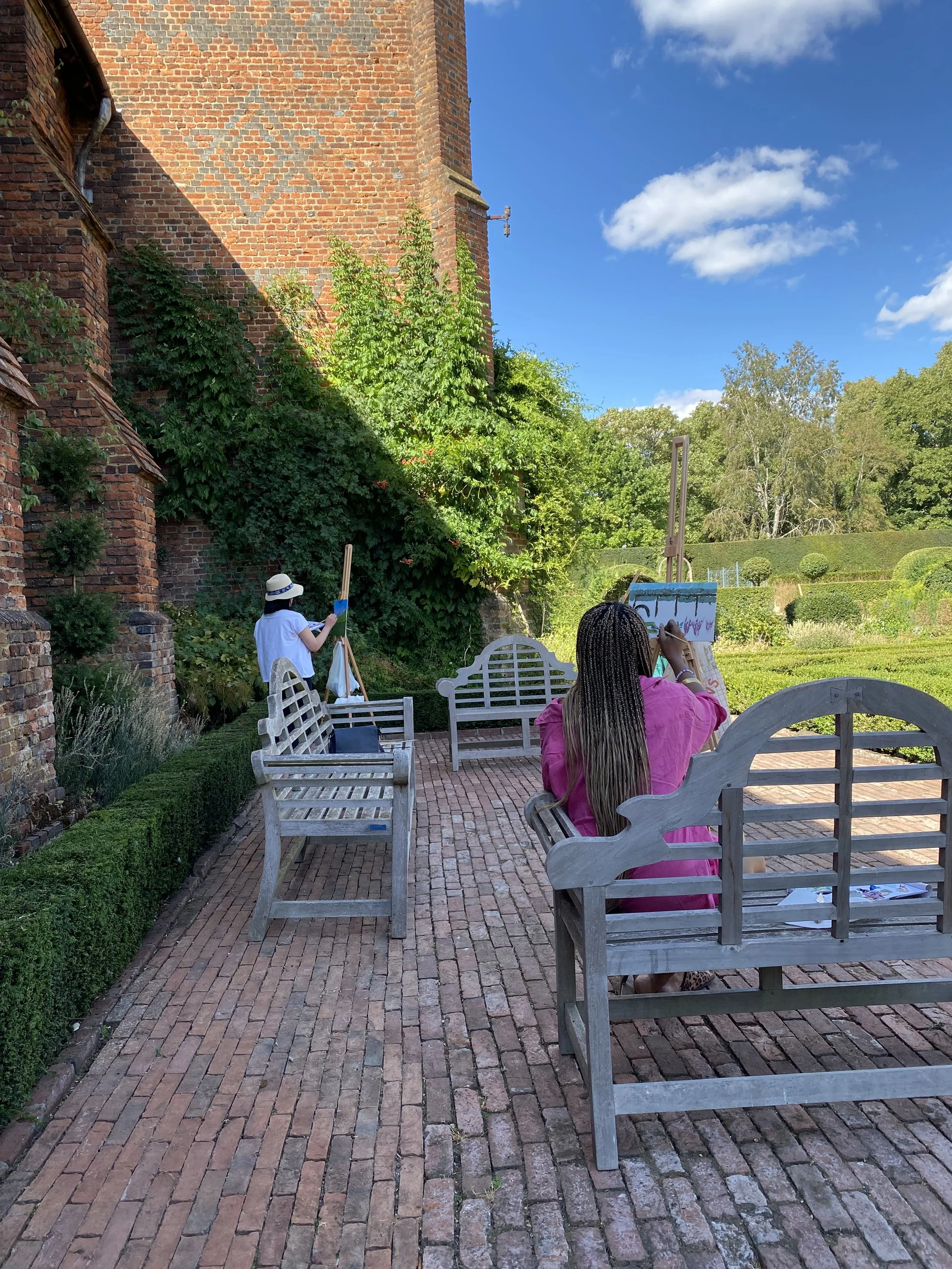
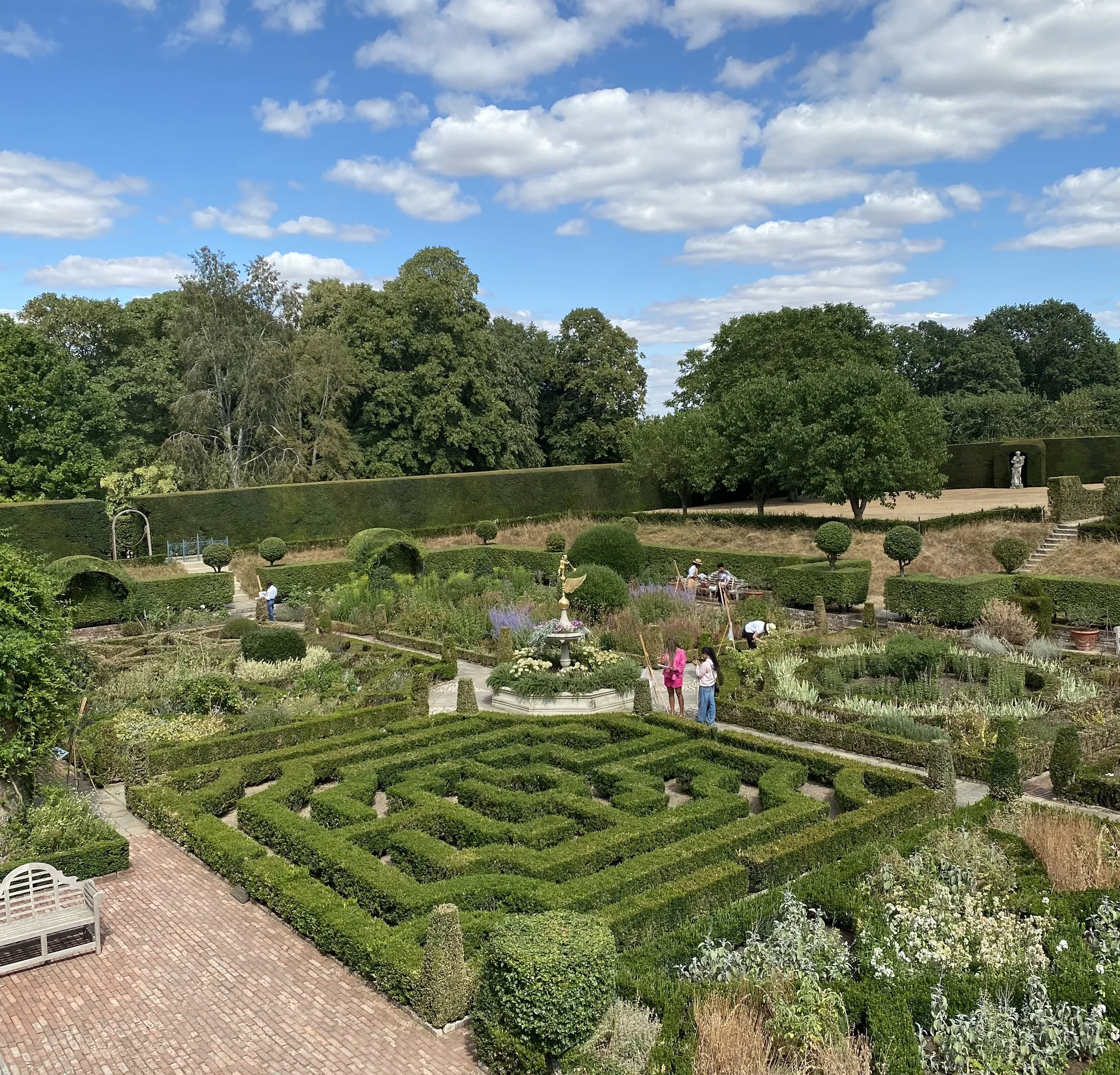
This week I did a little experiment. I did a painting workshop with beginners and connected painting to decision making theories. I compared a blank canvas to other challenges in life and asked them how they would approach it. I made available oil painting materials and the beautiful venue at Hatfield House and let participants tackle painting like a difficult problem.
I intentionally did not tell them to paint like me or in a particular way. I gave a list of basic oil painting rules and then provided support along the way by answering questions they had.
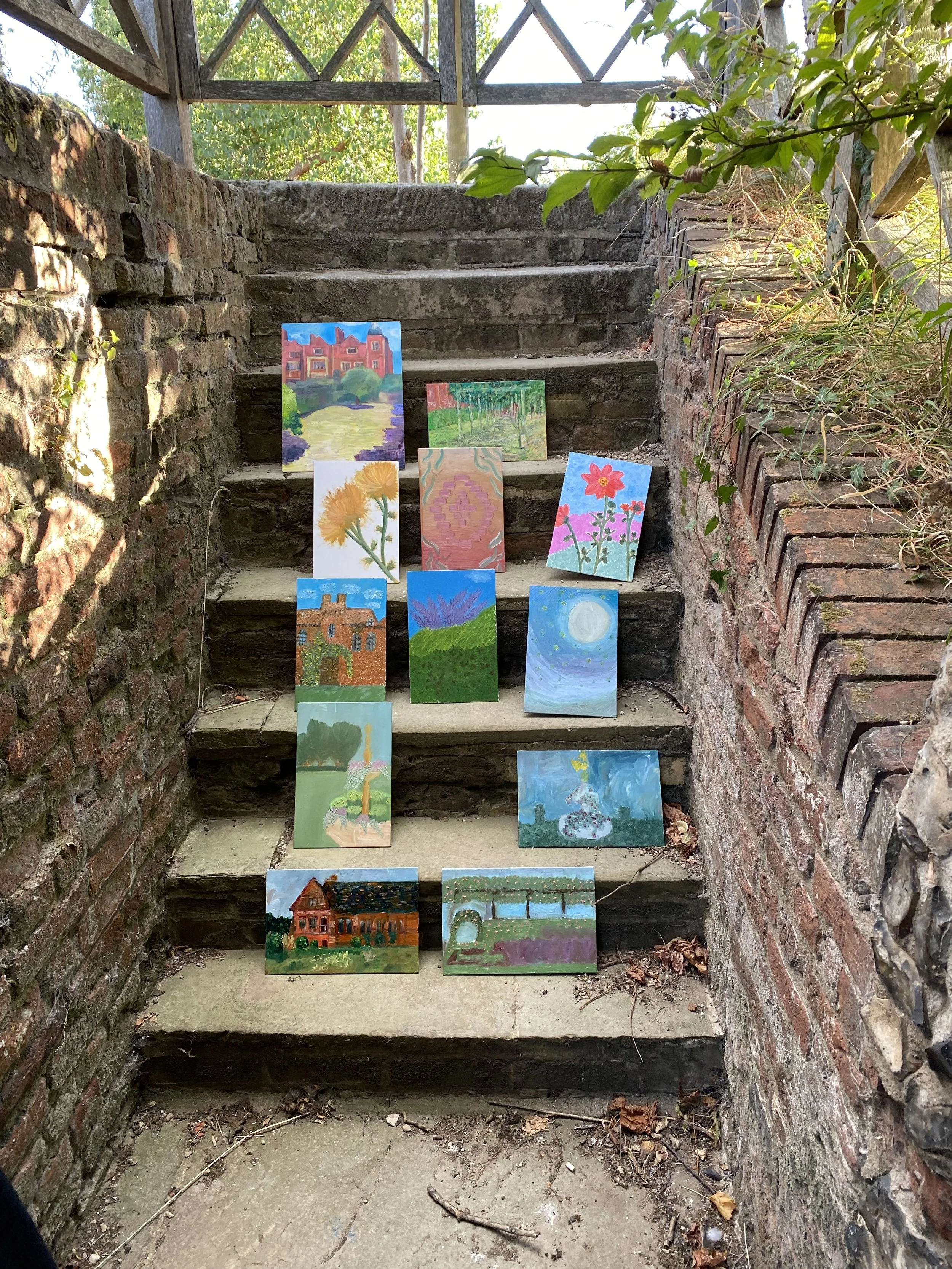
I have to say I was seriously impressed with the outcome. Here are three points I was most impressed about:
1. Everyone completed at least one painting, no one gave up half way.
2. Everyone was happy to use many colours, intuitively without the knowledge of colour theory.
3. There was a general consensus that focusing solely on painting creates a happy flow state of mind.
In my view this is how painting should be taught and my little experiment showed that it worked. Of course, to become a successful painter knowledge and skill is very important and required, but I believe that each person should figure out for themselves what they want to learn about painting and why, instead of copying the style and techniques of their teacher.
Painting is another form of communication and what matters most is what each person has to say about themselves and how they see and experience the world. For beginners and advanced painters it is essential to understand and explore what to say in a painting.
Painting looks easy when in fact it is one of the hardest things to do
Another interesting aspect I observed was that most beginners approach painting in a similar way (myself included). Painting at the beginning appears to be relatively easy and relaxing, a way to focus and express yourself. There is often an illusion that painting is easy, when in fact it is quite the opposite and extremely difficult. I tried to find out why this is the case and came across a few explanations:
The knowledge gap: When learning something new it is difficult to know what you don’t know. When I started to focus on truly understanding painting, I realised that a whole new universe opened up in front of me. Creating an outstanding painting, like the ones shown in museums, can often take a lifetime or may be impossible to achieve.
The illusion of simplicity: When looking at successful paintings, they look easy precisely because they work so well and were executed to such a high standard based on a multitude of excellent decisions. Everything simple in all aspects of life can actually be extremely hard to achieve. Simplicity is the greatest skill in any field.
Misunderstanding the role of technique: Technique is only one aspect of good art, the much harder part is to create something creative and develop good judgment when painting. In addition, a technically good painting can often fail to engage viewers emotionally and may as a result not be successful.
The social media illusion: On social media artists rarely show their really hard work, their frustration, their unfinished work and their struggle with finishing at all. Only successful paintings are shown and as a result painting appears easy. In fact, most of my artist friends would probably agree that finishing a painting successful is one of the hardest things to do and often hours, days and weeks are spent on some tiny nuanced finishing touches. Failure is not something that is talked about in the art world and success is often expected.
Professional vs hobby painters: Most forms of sport are fun and relaxing when done as a hobby. However, if you want to attend the Olympics the same sports turns into one of the hardest things to do. The same applies to painting. When you want to paint as a hobby it is enjoyable and relaxing, but if you want to become a master painter you have to be exceptional and very hard working.
As with many other aspects in life, the more you know, the more you appreciate that you don’t know anything. This is definitely how I feel about painting at the moment. Having taught beginner painters for the first time now, it was great to see that many challenges and experiences when painting were shared across the group.
The idea behind my workshop was to relate painting to everyday decision making in order to throw beginner painters into the painting process and let their own minds explore how to get to the final outcome they want to achieve. What I realised is that as much as painting can teach us about decision making, equally decision making theories can teach us a lot about painting too.
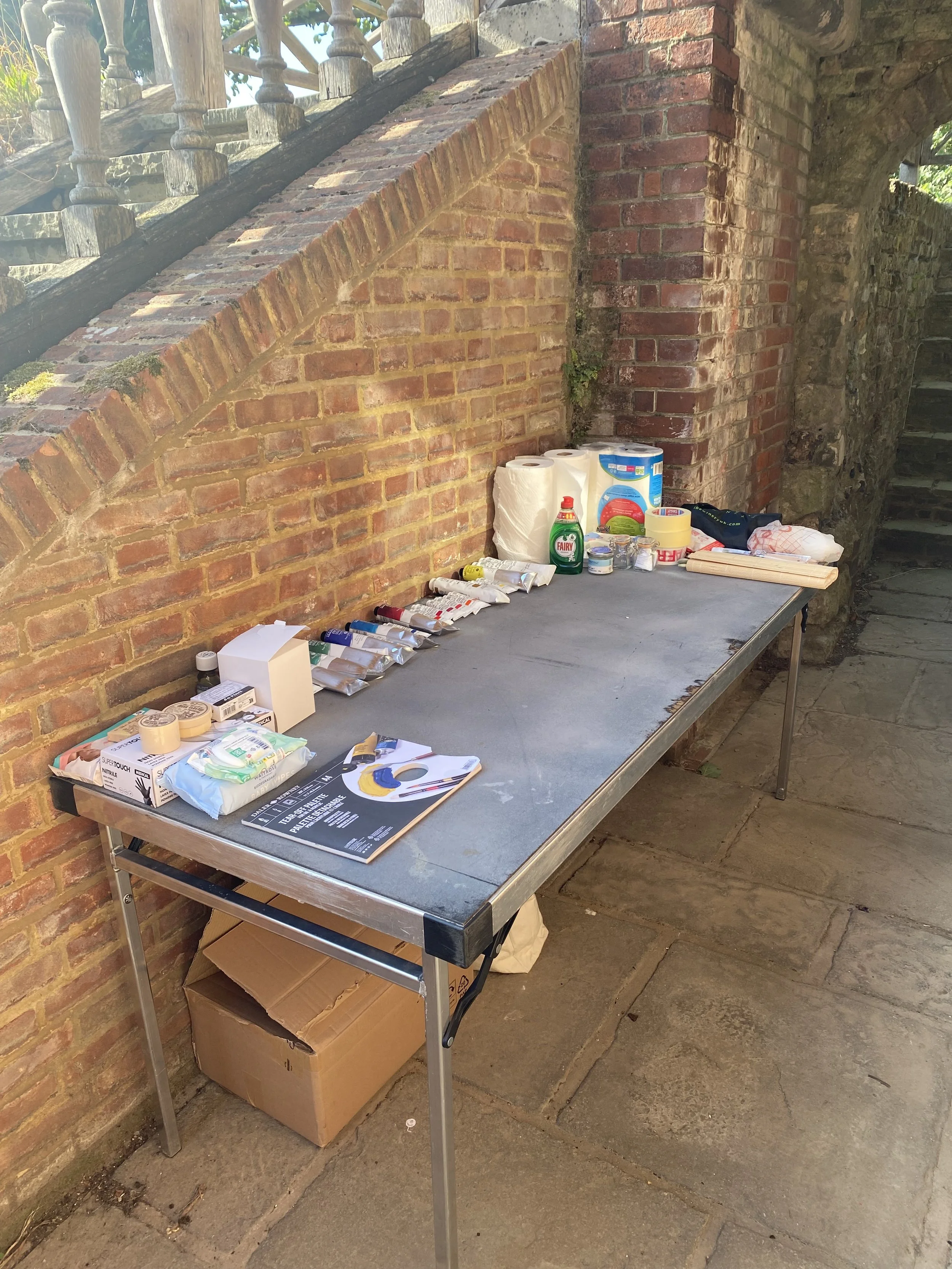
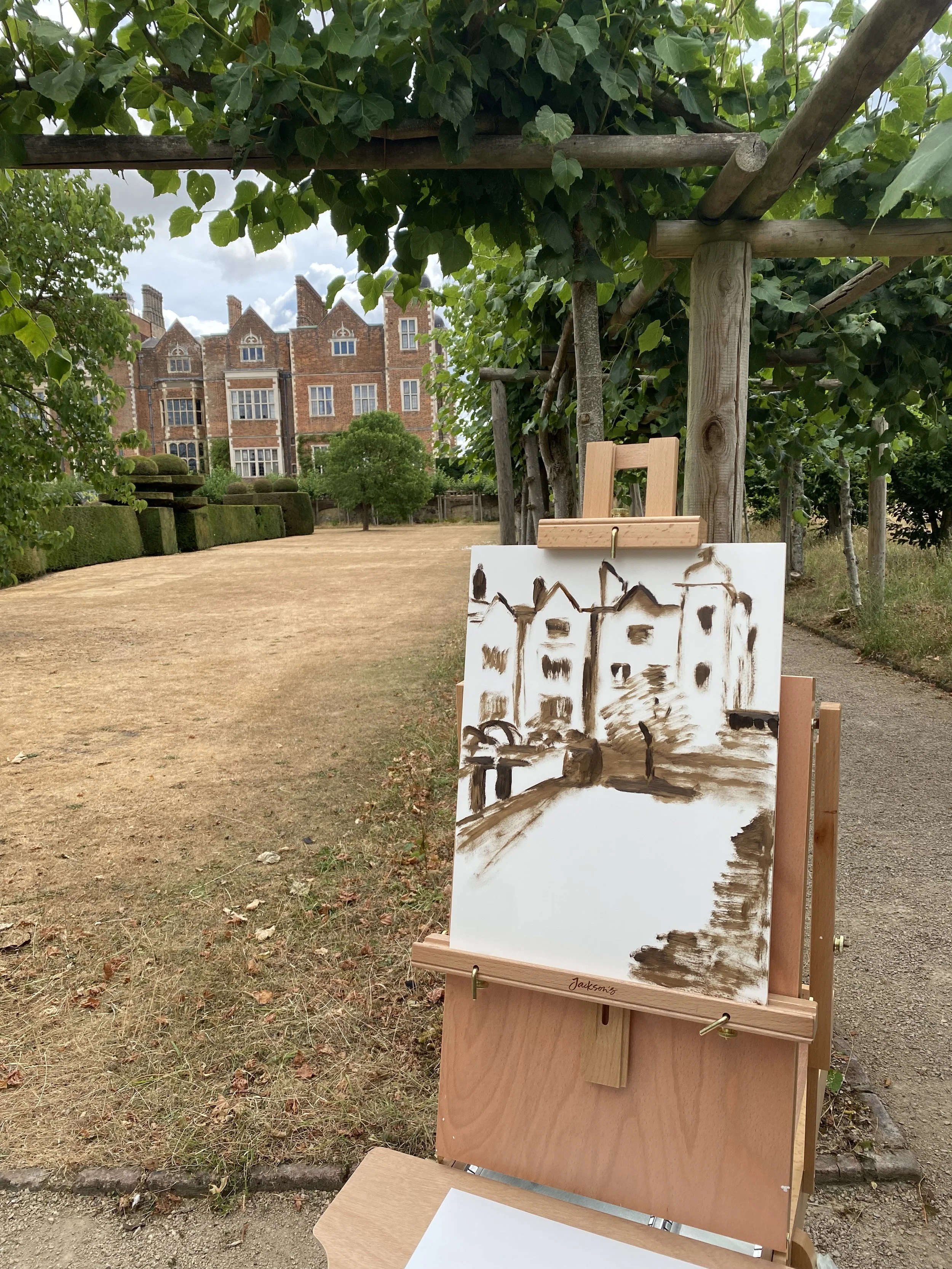
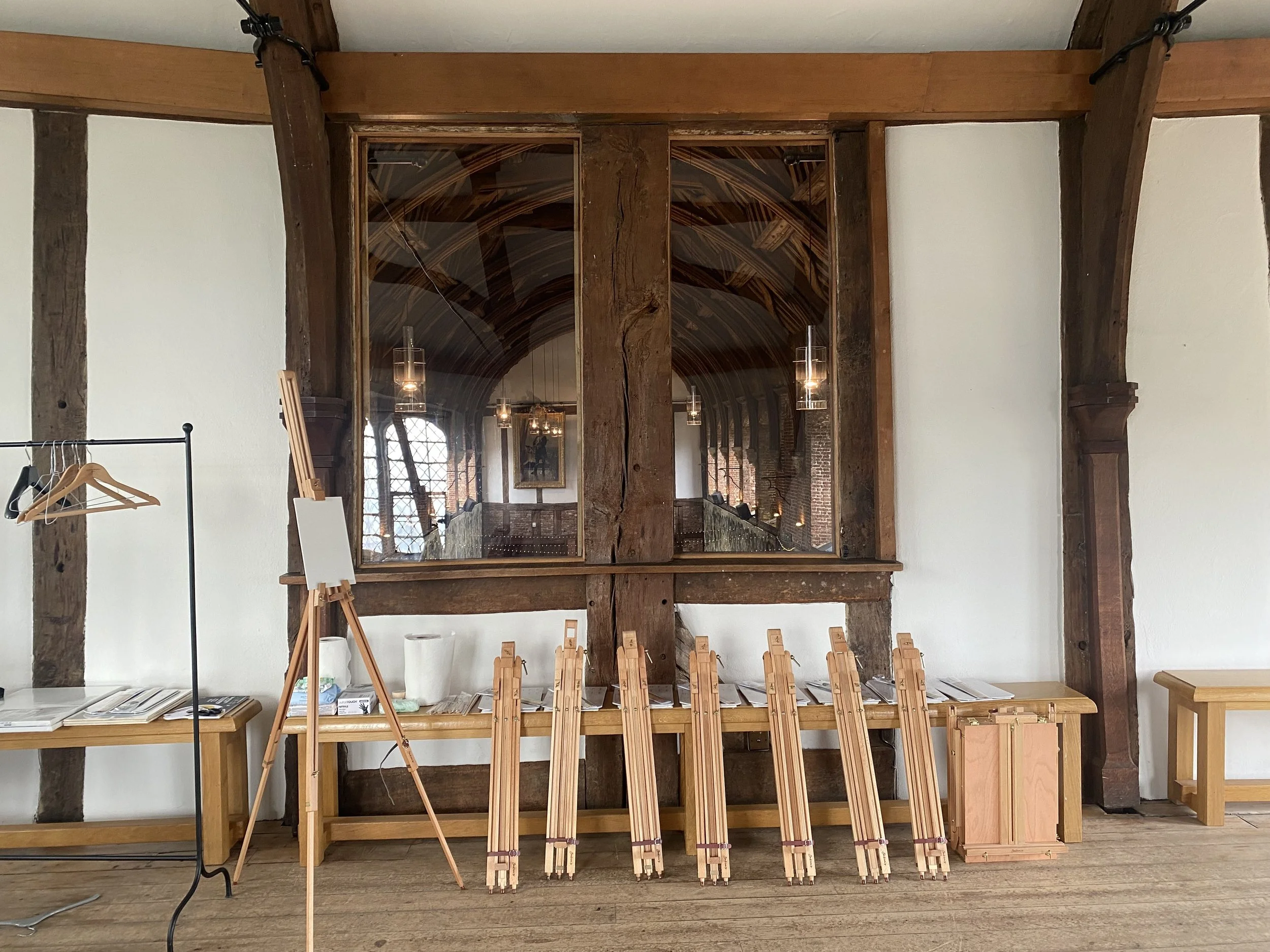
Some photos below of the workshop preparation and the workshop.